
August 26, 2026
Are Lead Marketplaces Worth It for Glaziers?
Lead marketplaces can fill gaps in a glazing schedule, but shared inquiries and weak job fit can hurt margins. Here's how to test them.

Key Takeaways
- Lead marketplaces can help during slow weeks, but they don’t guarantee booked glazing jobs.
- Shared inquiries put you against other shops before you’ve spoken with the customer.
- Board-up calls, broken storefront glass, and small repairs often suit marketplace testing better than commercial bids.
- Google Local Services Ads charge for valid leads, while some marketplaces charge for every inquiry.
- Track booked jobs and gross profit, not just lead volume.
- A strong Google Business Profile and service-area page give you an asset you own.
Are lead marketplaces worth it for glaziers?

Yes, but only as a controlled test. Lead marketplaces can help a glazing shop fill spare capacity with repair, replacement, and board-up inquiries. They’re rarely the best long-term source for profitable commercial glazing work.
A lead marketplace is a service that sells customer inquiries to contractors. The inquiry may be exclusive, shared, or sent to several providers at once.
For a glazier, the answer depends on four things:
- The type of glass work requested.
- The number of shops receiving the inquiry.
- Your response speed.
- Your real cost after refunds, labor, and callbacks.
The phrase “mc lead glaziers” appears to have little relevance to US glazing buyers. A Texas shop should focus on local intent such as “24-hour glass repair Dallas” or “storefront glass replacement Houston.”
That difference matters. You don’t need more random inquiries. You need calls that match your service area, equipment, and available crew.
The pattern we see most often is simple: shops blame the lead source before checking job fit, response time, and close rate. Those three details usually explain more than the platform name.
What are you really buying from a lead marketplace?
A marketplace sells access to demand. It doesn’t sell a job, a qualified estimate, or a profitable customer.
HomeAdvisor’s contractor information says providers pay for each lead, whether or not they win the job. It also says the price varies by work type and region. Its spend target is an estimate, not a hard cap. Read the marketplace’s own lead terms.
That creates three risks for glass companies.
Shared competition
A homeowner may request help for a cracked pane, failed insulated glass unit (IGU), or sliding door. Several glaziers may receive the same request.
The first shop to answer often gets the conversation. The rest may spend money on an inquiry that has already gone cold.
Poor job fit
A marketplace may send a request that technically matches “glass repair.” It may still be wrong for your shop.
Examples include:
- Automotive glass when you only serve buildings.
- A shower enclosure when you focus on commercial work.
- A curtain wall inspection outside your normal crew size.
- Tempered vs. annealed glass questions from a homeowner seeking free advice.
- A commercial glazing bid that needs estimating time, drawings, and site visits.
Limited customer ownership
A customer who finds you through your own website can call again later. Marketplace customers may return through the platform or compare several providers.
That makes repeat work harder to measure. It also weakens your control over the customer relationship.
The Federal Trade Commission’s 2023 complaint against HomeAdvisor alleged misleading claims about lead quality, source, and conversion rates. The proposed order required up to $7.2 million in provider redress.
That doesn’t mean every marketplace is poor. It means you should demand clear answers before spending.
Ask:
- Is the inquiry exclusive or shared?
- What counts as a billable lead?
- Can you dispute wrong-service requests?
- Is there a monthly commitment?
- Can you pause leads during a full schedule?
- Does the platform show the requested service and ZIP code?
How do marketplace costs compare with owned channels?
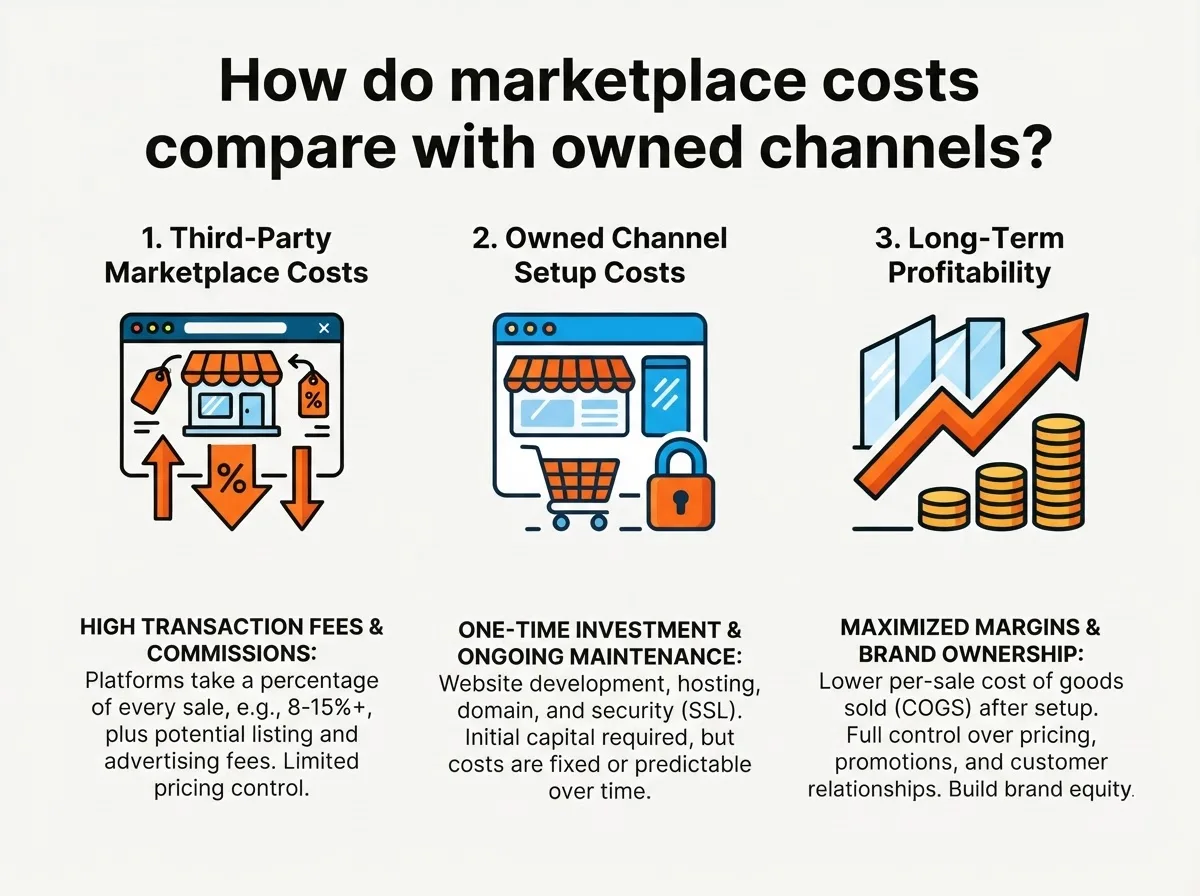
The cheapest-looking lead isn’t always the cheapest booked job. Compare channel rules, lead quality, and control before comparing headline prices.
| Channel or benchmark | Published figure | What it means for a glazier |
|---|---|---|
| Home services search ads | Average CPL of $90.92 | A broad benchmark for paid search conversions |
| Doors and windows search ads | Average CPC of $8.76 | You pay for the click before knowing if the job fits |
| Doors and windows search ads | Average CPL of $200.34 | A useful comparison for window and glass replacement campaigns |
| Sliding glass door repair | Typical project range of $150-$800 | A rough customer project value benchmark, not a glazier quote |
These figures aren’t marketplace prices. Platforms often price leads by location, service, and demand. Some don’t publish a fixed rate.
The comparison still helps. A $200 lead may make sense for a large commercial storefront replacement. It may not make sense for a small pane repair with a low average ticket.
Paid search gives you more control over the message and destination page. You can send a customer to a page about Google Ads for contractors or a focused storefront glass service page.
Google’s Local Services Ads work differently. Google says providers pay for valid leads, such as calls, messages, and bookings. Lead prices can vary by location, job type, lead type, and bidding mode. See how valid leads and credits work.
That model may suit a shop that wants calls from local customers. Check eligibility first. Google’s US list includes window repair, but not every glazing specialty.
Your own SEO has a different cost pattern. You pay for the website, content, and work needed to rank. You don’t pay a platform each time someone calls.
A well-built local SEO program can support searches for:
- Emergency board-up service.
- Storefront glass replacement.
- IGU replacement.
- Commercial door glass repair.
- Low-E coating replacement.
- Glass repair in a named metro.
Which glazing jobs suit a marketplace test?
Emergency and simple replacement work usually gives you the clearest test. Commercial estimating and specialist glass work need tighter qualification.
Board-up calls can suit marketplaces because the need is urgent. A broken storefront or door creates a clear reason to call now.
The trade-off is travel time and after-hours labor. Set a service radius that protects your crew’s time. A board-up in Fort Worth may make sense for a Dallas shop. One across a wide rural area may not.
Storefront glass repair can also work when the customer provides photos, measurements, and a clear location.
Ask for the frame type, opening size, glass thickness, and whether the opening is secure. A storefront system with damaged framing may require a larger repair than the inquiry suggests.
IGU replacement needs better qualification. A seal failure may look like a simple foggy pane. The job may need a site visit, accurate measurements, and a discussion of U-factor or low-E coating.
Commercial glazing bids are a poor fit for many marketplaces. A serious bid may require drawings, specifications, takeoffs, submittals, insurance documents, and coordination with a general contractor.
Use marketplace inquiries for that work only when the platform provides enough detail. Don’t pay to chase vague “glass contractor needed” requests.
The same applies to curtain wall, spandrel glass, and thermal break systems. These jobs can be valuable, but the sales cycle is longer. They need a lead source built around commercial visibility and relationships.
The National Glass Association’s 2025 report shows how broad the trade is. Contract glaziers and full-service glass companies need different training, products, and project workflows.
Can a Texas shop protect its margin?
Yes. Start with job filters, a response process, and a stop rule. Don’t let a marketplace decide which work your crew accepts.
Set these filters before buying leads:
| Filter | Example decision |
|---|---|
| Service area | ZIP codes within a workable drive time |
| Job type | Building glass only, or building plus board-up |
| Minimum job | No site visit for very small repairs |
| Customer details | Require phone, address, service, and photos |
| Schedule | Pause during full production weeks |
| Credit rule | Dispute automotive, wrong-area, and wrong-service requests |
| Follow-up | Call within minutes during business hours |
A marketplace lead should enter the same pipeline as every other inquiry. Use call tracking, a lead source field, and a simple status:
- New.
- Contacted.
- Qualified.
- Estimate booked.
- Won.
- Lost.
- Bad fit.
- No response.
Don’t judge the channel by calls alone. Judge it by booked estimates, sold jobs, gross profit, and repeat work.
Google recommends mapping the full lead journey and importing deeper outcomes such as qualified leads, booked appointments, and converted leads. Its lead-quality guidance supports tracking beyond the first form submission.
This is especially useful for glazing. A lead for a failed IGU isn’t equal to a lead for a multi-storefront replacement.
You can also connect offline outcomes back to paid campaigns. Google says offline conversion imports can show which ads and keywords lead to sales calls or contracts completed offline. Learn about offline conversion tracking.
For your website, build a page for each high-value service and market. A service-area page for Houston should not read like one for Austin. Mention the actual areas, building types, response times, and glass services you handle.
A clear website design plan should make the phone number easy to tap. It should also explain whether you handle residential glass, commercial glazing, emergency board-up, or all three.
What should you test before committing?
Run a small, time-limited test. Start with one service category and one service area.
A sensible test looks like this:
- Choose board-up, storefront repair, or IGU replacement.
- Limit the ZIP codes.
- Set a written maximum spend.
- Require every lead to enter your CRM or spreadsheet.
- Call quickly during staffed hours.
- Request credits for wrong-service inquiries.
- Review booked jobs and profit weekly.
- Stop if the channel fails your minimum margin.
Don’t test five services at once. You won’t know which work type caused the result.
Also compare the marketplace with an owned channel. Improve your Google Business Profile and local visibility while testing. That creates a source you control after the marketplace experiment ends.
For shops that need more predictable demand, exclusive vs. shared leads explains the trade-off between competition and cost. The point isn’t to choose a label. The point is to buy leads that match your margin and capacity.
A marketplace is worth keeping when it produces profitable jobs without taking over your schedule. If it sends vague, shared, low-value inquiries, put that budget into your website, map pack visibility, or tightly targeted Google Ads instead.
Want a lead plan built around your glazing services, metro, and available crew? Request a GlassLeadsEngine growth review. We’ll help you compare marketplace leads with SEO and paid search before you commit more budget.
Frequently Asked Questions
How much does a glazier charge?
Glass repair pricing depends on the pane, size, access, glass specification, and labor. A sliding glass door repair guide lists a typical project range of $150-$800. Storefront glass, IGU replacement, emergency board-up, and commercial systems can cost more.
Are glaziers in demand?
Demand exists across residential repair, commercial construction, storefront maintenance, and emergency board-up work. The Bureau of Labor Statistics describes glaziers as installing windows, skylights, storefront windows, and architectural glass systems.
Is a glazier a hard job?
Glazing is physically demanding and can involve heavy glass, ladders, scaffolding, weather exposure, and precise measurements. That makes lead quality important. A bad inquiry still costs time, fuel, and crew capacity even when it never becomes a job.
What is a person who installs glass called?
A person who installs building glass is called a glazier. Glaziers may handle insulated glass units, tempered glass, storefront systems, curtain wall, mirrors, doors, and architectural glass. Automotive glass installation is a separate specialty from most building glazing work.
Sources
- How valid leads and lead credits work
- US Local Services Ads eligibility and setup
- Lead-quality and conversion guidance
- Offline conversion tracking for sales calls and contracts
- Home services search advertising benchmarks
- Sliding glass door repair cost data
- Lead marketplace billing and spend terms
- Federal action on misleading home improvement lead claims
- Glazier duties and occupational information
- Glass industry workforce and training report
Get Your Free Demo Page Built in 48 Hours
No credit card. No commitment. We'll build a full lead-gen landing page for your glass business — specific to your city.